
 Jul 14, 2026
 The Ultimate Guide to Matching Furniture to Wall Paint Colors in New Orleans, LA
-
 By Admin
Are you considering a home makeover? If so, one of the most important decisio...
Read More

Call Us Now 504-608-2155
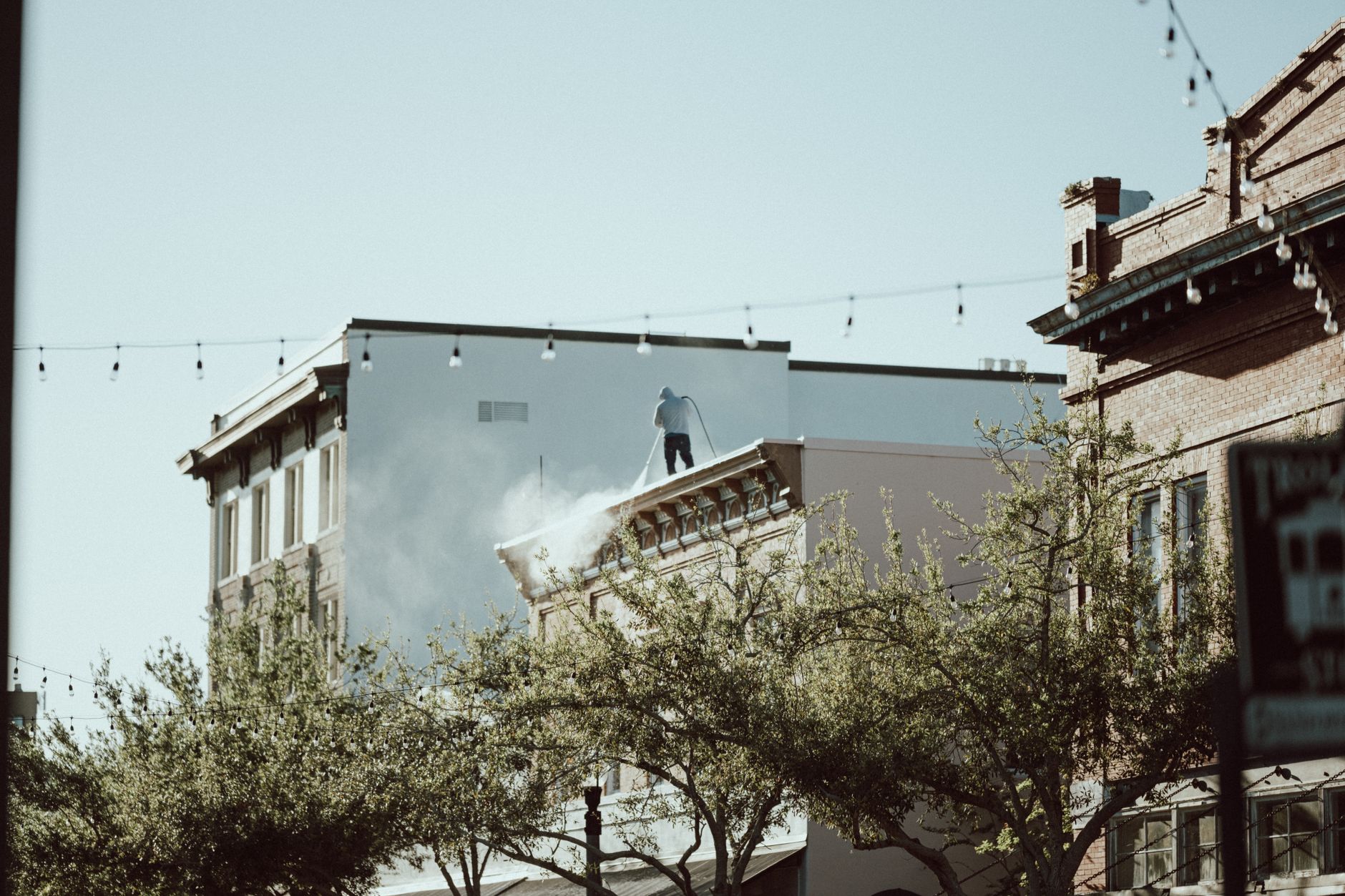
Pressure washing removes the dirt, mildew, chalking residue, and salt-air grime that keep new paint from bonding to a home’s surface. In New Orleans’ humid climate, mildew and algae can return within days on a surface that gets painted without a proper wash first, leading to early peeling and blistering. A wash matched to the siding material gives paint a clean, stable base to grip, which is why professional painters treat it as a required first step, never optional.
At Big Easy Painting, we treat pressure washing as the true starting point of every paint job, not a brush stroke. Our crews have seen how quickly New Orleans humidity turns a skipped wash into a peeling callback.
A clean, contaminant-free surface is the difference between paint that lasts for years and paint that blisters within months. We’ll cover why washing comes first, what happens when it’s skipped, and how pressure changes by siding type.
Every property across the New Orleans area has different siding, sun exposure, and moisture history, so the prep work is never one-size-fits-all. Contact us today to schedule a free estimate and find out what your home’s exterior actually needs before the first coat goes on.
Paint only performs as well as the surface it sits on. When a fresh coat goes over dirt, chalk residue, or a thin film of mildew, it bonds to that contamination instead of to the wall itself.
That weak bond is why so many exterior jobs fail early, showing peeling, bubbling, or dull patches within a year or two. Pressure washing strips away everything that would otherwise sit between the paint and the substrate underneath it.
We treat this step as non-negotiable because it protects the investment a homeowner makes in labor and materials. Our painting team calibrates every wash to the surface and the season, setting up every coat that follows.
Not every contaminant looks the same, and each one attacks a paint job in its own way. Here’s what we typically find hiding on New Orleans exteriors before we ever pick up a brush.
Everyday dust, pollen, and traffic grime settle into siding pores and paint texture, building a fine layer a brush cannot see past. Even a surface that looks clean from the street can carry enough grime to block proper adhesion.
Over a New Orleans summer, humidity holds that grime against the wall instead of letting it flake off. A pressure wash lifts this layer away in minutes, giving primer and topcoat a surface they can actually bond to. Skipping this step is a frequent reason paint jobs start failing within their first year.
Louisiana’s humidity gives mildew and algae exactly what they need to spread across siding, fascia, and shaded exterior walls. Left untreated, these organisms feed on the paint film itself and keep growing underneath a fresh coat, pushing it loose from below.
Mold-growth research shows spores can begin colonizing a damp, humid surface within 24 to 48 hours. Painting directly over mildew traps it against the wall, so it tends to reappear as dark spotting within a season. A thorough wash, sometimes paired with a mildewcide rinse, removes the organism instead of covering it up.
Intense UV exposure across New Orleans breaks down older paint’s binders over time, leaving behind a fine, powdery residue known as chalking. Left in place, that powder keeps new paint from forming a solid mechanical bond to the surface below it.
Homeowners can often spot chalking by running a hand across the siding and checking for white residue. Pressure washing at the right angle breaks this residue loose and rinses it away completely. Painting over chalk without washing it off first is a fast route to a topcoat that peels in sheets.
Homes near the lake and the river pick up a fine salt and mineral film that ordinary rinsing rarely removes. Combined with New Orleans’ year-round humidity, that residue can hold moisture against the siding long after a rainstorm has passed.
Trapped moisture behind a paint film is a leading cause of adhesion failure, since it works from underneath rather than the surface. A pressure wash breaks up this film and gives the surface time to dry fully before we open a paint can.
Skipping the wash does not save time overall; it just delays the cost to a future repaint. The failure usually starts underneath the new coat, so the surface can look fine on the very day the crew leaves.
Homeowners who skip this step typically see:
Our exterior home painting services always start with a wash for exactly this reason. A wash that gets skipped once tends to get paid for twice.
Every siding material reacts differently to water pressure, so the right approach changes from house to house across our service areas across the New Orleans region. Here’s how we typically calibrate the wash before painting begins.
Vinyl generally tolerates a moderate pressure range, often cited between 1,200 and 2,400 PSI depending on the panel’s age and condition. Too much pressure at close range can force water behind the panels or crack brittle, sun-damaged sections.
We use a wide fan tip and keep the wand moving in overlapping passes so no single spot takes the full force of the stream. This approach strips dirt and mildew without pushing water into seams where it can sit and cause problems later.
Wood is far more porous and delicate, so pressure-washing guidance typically calls for a lower range, often around 500 to 1,200 PSI with a wider-angle nozzle. Pushing too hard can raise the wood grain, drive water into joints, or strip away sound wood fiber along with the dirt.
We work slower on wood, holding the wand further back and letting lower pressure do the work. Wood also needs more drying time before painting, since it absorbs more moisture than vinyl or masonry.
Brick and stucco can typically handle a moderate wash, though older or softer masonry often calls for a gentler touch to avoid eroding mortar joints or textured stucco finishes. Guidance generally keeps pressure lower on these surfaces than on vinyl, since masonry is more porous and holds water longer once saturated.
We inspect mortar lines and stucco texture before choosing a pressure setting, since a wash that’s too aggressive can do more damage than the dirt it removes. Once clean, these surfaces need extra drying time given how much moisture they absorb.
Some surfaces, including older wood, delicate trim, and heavily weathered stucco, respond better to a soft wash than a high-pressure rinse. Soft washing uses a specialized cleaning solution at low pressure to break down mildew and grime chemically rather than blasting it off mechanically.
This method is gentler on aging materials while still fully removing the biological growth that causes early paint failure. We choose soft washing whenever a surface shows sun damage, rot, or fragility that standard pressure could make worse.
A paint job is only as durable as the surface it’s applied to, and that surface starts with a proper wash, not a shortcut. Big Easy Painting brings the right pressure, technique, and drying time to every property across the New Orleans area.
We’d rather get the prep right the first time than send a crew back out for a redo next year. Call us today to schedule your pressure wash and paint prep and get a finish built to last.
Most New Orleans homes benefit from a pressure wash immediately before every exterior paint job, regardless of how long it’s been since the last one. Humidity and mildew rebuild fast in this climate, so a wash done months earlier no longer reflects the surface’s current condition.
Safe pressure always depends on the surface material being cleaned. Vinyl siding generally handles 1,200 to 2,400 PSI, wood siding calls for a gentler 500 to 1,200 PSI, and brick or stucco often falls somewhere between the two depending on age and condition.
Painting over mildew traps the organism under the new coat instead of removing it from the surface. Trapped mildew typically keeps growing and can bleed through as dark spotting within a season, which is why washing and treating mildew always comes before painting.
Most exteriors need at least 24 to 48 hours of dry time after washing, longer for wood or masonry that absorbs more moisture. Painting over a damp surface can trap moisture underneath and cause blistering soon after the job finishes.
High pressure can damage older wood by raising the grain or forcing water into joints, but a properly calibrated low-pressure wash with the right nozzle cleans wood safely. That’s why wood typically gets a lower PSI range and a slower pass than vinyl or brick.
Pressure washing relies on mechanical force to strip dirt and residue, while soft washing uses a cleaning solution at low pressure to break down mildew and algae chemically. Soft washing suits delicate, weathered, or aging surfaces that standard pressure could damage.
Cost varies with the size of the home, the surface material, and how much contamination needs to be removed. We provide a free estimate that includes pressure washing as part of the overall paint prep, so homeowners see one clear number before work begins.
Yes, a properly calibrated pressure wash breaks up chalky residue so the surface can grip new paint again, even after years of sun exposure. Leaving chalk in place before painting is a common reason topcoats look dull and start lifting early.
 By Admin
 Are you considering a home makeover? If so, one of the most important decisio...
Read More
Painting a room or your home can seem simple, but it’s easy to make mistakes ...
Read More
When it comes to updating the exterior of your home, a fresh coat of paint ca...
Read More
When it comes to decorating a bedroom, the choice of paint color has to be on...
Read More
In the world of interior design, accent walls have emerged as a powerful ...
Read More
Are you planning on painting your home or office and unsure whether to use oi...
Read More
New Orleans, LA
