
 Jul 18, 2026
 Exterior Painting: How to Tell When It’s Time to Repaint Your Home in New Orleans, LA
-
 By Admin
Do you ever find yourself wondering if now is the right time to repaint your ...
Read More

Call Us Now 504-608-2155
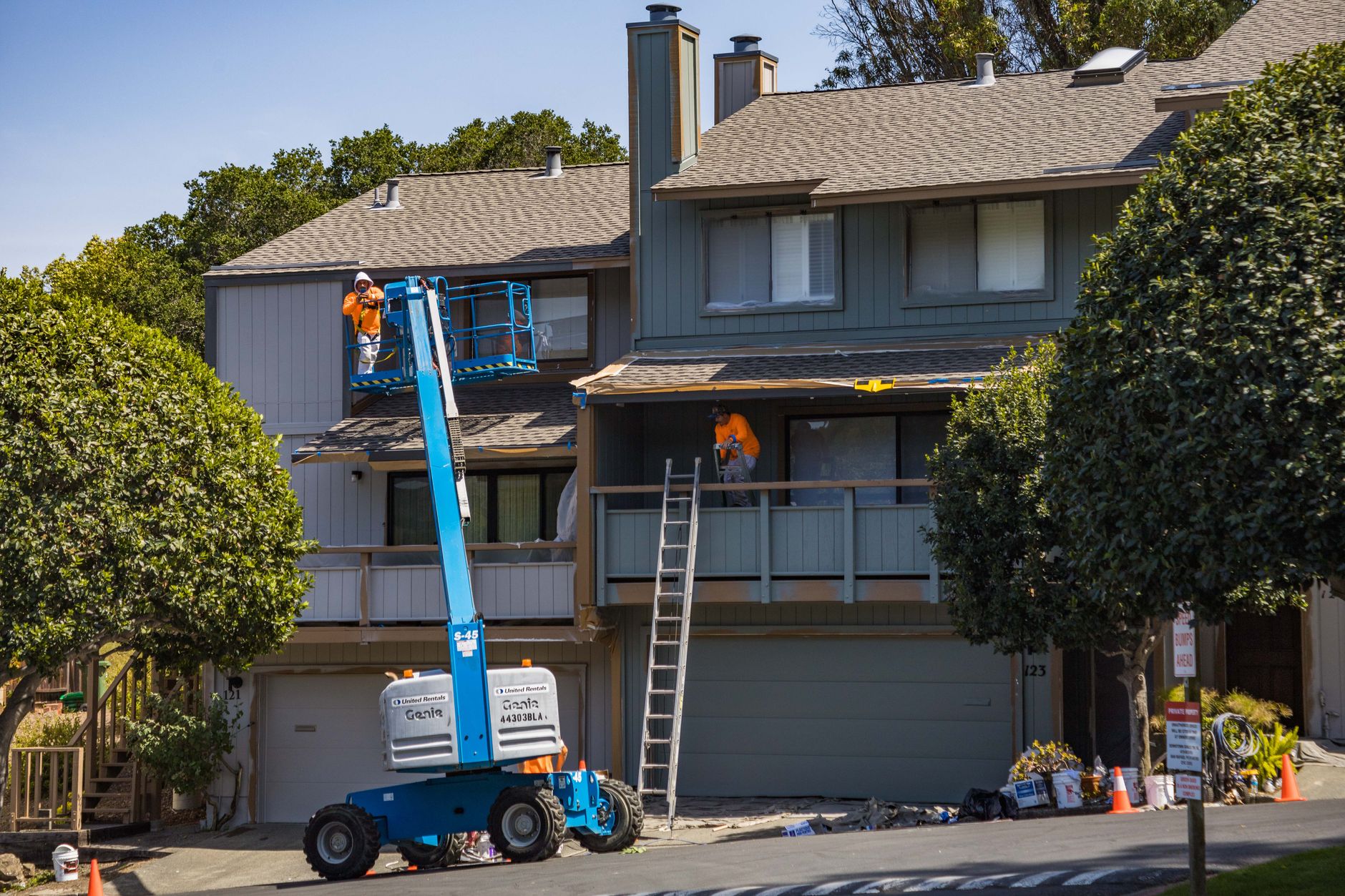
The best exterior paint for New Orleans homes pairs a 100% acrylic latex base with mildew-resistant additives, since acrylic stays flexible and breathable in high humidity while the additives block fungal growth. Elastomeric coatings suit stucco and masonry that need extra waterproofing, though they trap moisture against wood siding. Satin or semi-gloss sheens shed rain and salt air better than flat finishes, extending the life of almost any exterior paint job.
At Big Easy Painting, we know New Orleans weather puts exterior paint through more stress than most parts of the country ever see. Between thick summer humidity, salt-laden air near the lake and river, and sudden downpours, the wrong paint product can fail years before its time.
Picking the right paint formulation matters just as much as prepping the surface or timing the job correctly. Formulation, sheen, and additive package all decide whether a paint job holds up through another humid Louisiana summer.
This guide breaks down which exterior paint types perform best in humid, coastal conditions and why each one behaves differently on New Orleans homes. Contact us today to talk through the right product for your home’s siding and sun exposure.
New Orleans holds some of the highest relative humidity readings in the country, with averages in the low-to-mid 70 percent range year-round, climbing close to 80 percent through peak summer. That moisture sits against wood, stucco, and siding for months before paint ever gets tested by direct sun.
Homes near the lake, the river, and the Gulf also deal with salt-laden air that speeds up wear on metal fixtures and breaks down lower-grade paint films faster than inland regions typically see. Near-daily summer thunderstorms and intense UV exposure add to a tougher combination of stressors than most U.S. markets face.
Paint that isn’t formulated for this combination usually shows blistering, peeling, or mildew staining well ahead of schedule, which is why our exterior home painting process starts with matching the product to the exposure.
Not every exterior paint formulation handles Gulf Coast humidity the same way. The table below compares how the most common options perform against moisture, mildew, and salt exposure.
| Paint Type / Formulation | Humidity & Moisture Resistance | Mildew Resistance | Best Use Case |
|---|---|---|---|
| 100% Acrylic Latex | Breathable; lets trapped moisture escape, reducing blistering | Good, better with an added mildewcide package | Wood siding, trim, fiber cement |
| Elastomeric Coating | Thick, rubbery, highly waterproof; bridges hairline cracks | Good on the surface, but can trap moisture underneath | Stucco, masonry, concrete block |
| Acrylic + Mildew-Resistant Additive Package | Same breathability as standard acrylic | Excellent; formulated specifically for humid, shaded exposures | North-facing walls, tree-shaded siding, high-humidity yards |
| Oil-Based / Alkyd | Poor; stiffer film cracks and peels faster in humidity swings | Weaker without added mildewcide | Rarely recommended for New Orleans exteriors today |
The right formulation depends on what’s under the paint as much as the climate around it. Here’s how we match product to surface across the New Orleans area.
Wood siding needs a breathable, flexible film that lets moisture escape instead of trapping it beneath the surface, since trapped moisture causes blistering and early failure. A 100% acrylic latex with a mildew-resistant additive package is the standard choice, since it moves with the wood as humidity levels rise and fall through the seasons.
A quality wood primer also helps block tannin bleed-through on cedar and cypress siding, common on older New Orleans homes. Skipping a compatible primer often lets old stains bleed through a fresh topcoat within the first year.
Stucco and masonry surfaces benefit from elastomeric coatings that bridge hairline cracks and block driving rain before it reaches the substrate. The thicker, rubbery film handles the expansion and contraction that Louisiana’s humidity swings cause in these rigid materials, preventing the fine cracking that lets moisture work its way in over time.
Because elastomeric coatings are less breathable than standard acrylic, they perform best on masonry that stays dry underneath. A moisture check before application helps avoid sealing dampness inside the wall.
Fiber cement holds up well under a quality acrylic latex, which resists fading and cracking without the extra thickness elastomeric coatings apply. Because fiber cement carries specific paint compatibility requirements from the manufacturer, our team confirms those recommendations before selecting a product line.
Acrylic formulations flex with fiber cement’s slight seasonal movement, which helps the paint film avoid the fine cracking that shows up on incompatible coatings. Most fiber cement manufacturers only back their warranty when an approved paint type is used.
Brick needs a vapor-permeable acrylic formula so trapped moisture inside the masonry can still escape over time. Sealing brick with a non-breathable coating in a humid climate like ours often causes spalling, where trapped moisture pushes the brick face apart from the inside.
This shows up most on older New Orleans brick that already holds groundwater moisture from our high water table. A breathable acrylic topcoat lets that moisture keep escaping while still protecting the surface.
Beyond the base formulation, the additive package and sheen level make a real difference in how long exterior paint lasts across our extended New Orleans service area. These details matter more here than in drier climates.
Manufacturers blend mildewcide compounds directly into exterior paint to resist fungal growth on the painted surface itself. These additives are especially valuable on shaded walls, tree lines, and north-facing exposures where surfaces stay damp longest after our frequent summer rain.
Without an additive package, even a high-quality acrylic paint can develop visible mildew staining within a single humid season in these exposures. A mildewcide-treated topcoat on a damp-prone wall typically stays clean noticeably longer than an untreated version.
Satin and semi-gloss sheens shed water more effectively than flat or matte finishes, and they clean up easier when pollen, mildew spores, or storm debris collect on the surface. Higher sheens also resist staining better over a full humidity cycle, since their smoother surface gives mildew spores less texture to grip onto.
Flat finishes still have a place on some trim or accent areas, but they generally show dirt and mildew faster in constant humidity. For most exterior walls here, satin strikes the best balance between durability and appearance.
A quality primer seals porous surfaces and blocks moisture intrusion before the topcoat goes on, which matters most on wood, stucco, and masonry exposed to our region’s humidity. Skipping primer is one of the most common reasons paint fails early here.
Primer also helps block stains and water marks from bleeding through a fresh coat. On repaint jobs over older, chalky paint, primer is often the difference between a finish that lasts and one that peels within a season.
Look for labels specifying “100% acrylic,” a stated mildewcide additive, or an elastomeric rating for masonry before assuming any exterior paint will hold up here. Generic “all-purpose” exterior paint rarely carries the additive package Gulf Coast humidity demands, even when the price and can size look identical to a better-formulated product. Checking the label for a stated humidity or mildew-resistance rating takes a minute and can save a repaint years down the road.
Matching the paint formulation to your home’s siding, sun exposure, and humidity level is what separates a paint job that lasts from one that blisters within a couple of seasons. Big Easy Painting builds every exterior project around the product that fits your home, not a one-size-fits-all can of paint.
Homeowners across the New Orleans area deal with the same humidity and salt exposure we’ve covered here, and the right formulation still depends on your specific siding and sun exposure. Call us today to get a free estimate and a product recommendation built for your home.
A 100% acrylic latex paint with a mildew-resistant additive package performs best in humid climates, since it stays flexible and breathable while resisting fungal growth. It holds up especially well on wood, trim, and fiber cement siding under New Orleans’s salt air and near-daily summer humidity.
Elastomeric paint isn’t universally better than acrylic; it excels on stucco and masonry because of its thick, waterproof, crack-bridging film. Acrylic latex is usually the better choice for wood siding, since it stays breathable and releases trapped moisture that elastomeric coatings tend to seal in.
Mildew-resistant paint is strongly recommended in Louisiana’s humid climate, especially on shaded or tree-lined exteriors that stay damp longest after summer rain. Standard paint without an additive package tends to show fungal staining within a single season in these conditions.
Satin and semi-gloss sheens shed water and clean more easily than flat or matte finishes in humid weather, which matters through a long New Orleans summer. They also resist staining and mildew better over repeated wet-dry cycles than lower-sheen finishes typically manage.
A quality acrylic exterior paint job typically lasts several years in New Orleans, though the exact timeline depends on formulation, surface prep, and sun or salt exposure. Homes closer to the water or under heavy tree cover often see shorter repaint cycles.
Painting over mildew without removing it first is not recommended, since the paint film will not stop existing fungal growth underneath and staining usually resurfaces within months. Surfaces need to be cleaned and treated before a fresh coat goes on, even one with mildew-resistant additives.
Oil-based paint is rarely recommended for New Orleans-area exteriors today, since its stiffer film tends to crack and peel faster through humidity swings than modern acrylic formulations. Most contractors now favor acrylic paint with a mildew-resistant additive package for this climate instead.
Salt-laden coastal air can accelerate fading and wear on lower-quality paint finishes, particularly on homes closer to the lake, river, or Gulf of Mexico. Choosing a paint formulation rated for coastal exposure helps both color and sheen hold up noticeably longer.
 By Admin
 Do you ever find yourself wondering if now is the right time to repaint your ...
Read More
Having freshly painted walls is probably one of the most exciting things you ...
Read More
When it's time to refresh your space with a new coat of paint, choosing the r...
Read More
Are you tired of your outdated kitchen cabinets and looking for a cost-effect...
Read More
Painting your home can be a great way to refresh its look and protect it from...
Read More
As a professional painter, it's essential to understand the common painting m...
Read More
New Orleans, LA
