Exterior Painting Guide 09 of 09

Importance of Weather Protection for Exterior Home Painting

How paint choice, prep, coatings, and upkeep help an exterior stand up to weather.

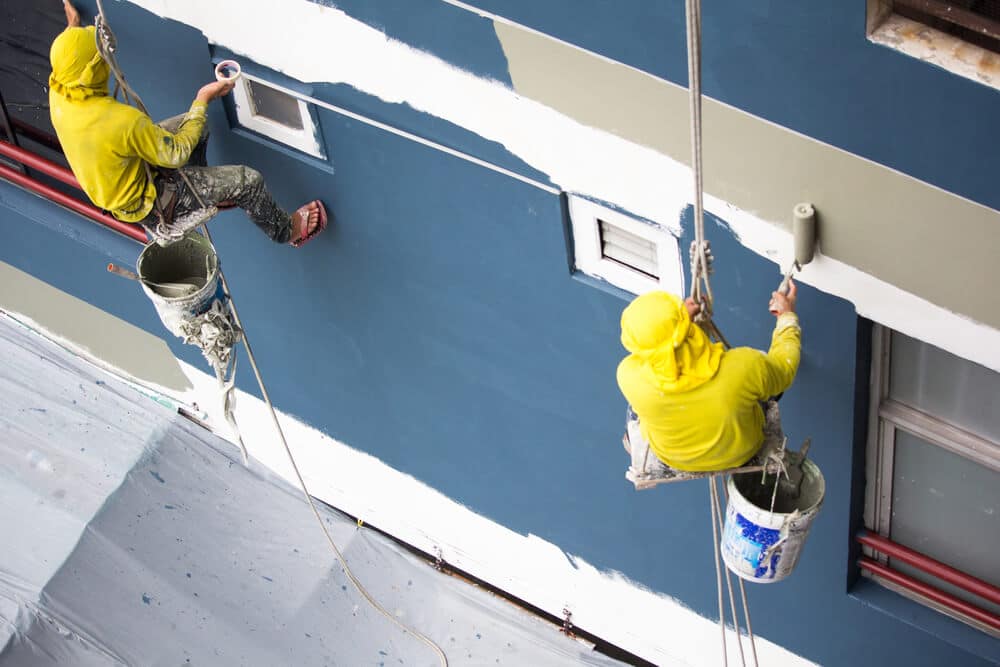
Two painters on ropes rolling paint onto a blue building

Exterior home painting is an important investment that not only enhances the aesthetics of your home but also protects it from harsh weather conditions.

However, without proper weather protection, your exterior paint job may not last long and may lead to costly repairs.

Let’s discuss the importance of weather protection for exterior home painting. Big Easy Painting expert advice will guide you in selecting the perfect paint and protective coatings, ensuring that your home remains stunning and safeguarded for the long haul.

So if you are planning to paint your home’s exterior, read on to learn more about the importance of weather protection.

Preparing for Exterior Home Painting

01BEP-0101

Clean the Surface

Before you start painting, it’s important to clean the surface of your home. This means removing any dirt, dust, or debris that may be on the walls.

You can do this by using a pressure washer or a simple hose and brush. Make sure to let the walls dry completely before you start painting.

02BEP-0102

Repair Any Damaged Areas

If there are any holes, cracks, or other damage to the walls, it’s important to repair them before you start painting. Use a sparkling compound or putty to fill in the damaged areas.

Once the compound is dry, sand it down so that it’s smooth and even with the rest of the wall.

03BEP-0103

Protect Your Landscaping

When painting the exterior of your home, it’s important to protect your landscaping. Use drop cloths or plastic sheeting to cover any plants, flowers, or bushes that may be near the walls.

This will prevent any paint from getting on them and potentially damaging them.

04BEP-0104

Remove Loose Paint

If there is any loose or peeling paint on the walls, it needs to be removed before you start painting. You can use a scraper or a wire brush to remove the loose paint.

Make sure to wear protective gear, such as gloves and goggles, to prevent any paint chips from getting into your eyes or mouth.

05BEP-0105

Choose the Right Paint

When choosing paint for the exterior of your home, it’s important to choose high-quality paint that is designed for outdoor use. Look for paint that is resistant to fading, cracking, and peeling.

You should also choose a color that complements the style of your home and the surrounding landscape.

06BEP-0106

Hire a Professional Painter

If you’re not comfortable painting the exterior of your home yourself, it’s best to hire a professional painter.

A professional painter will have the knowledge and experience to ensure that the paint job is done correctly and will last for years to come.

Make sure to do your research and choose a painter who has a good reputation and offers a fair price.

Worker troweling plaster onto an exterior wall
Sample BoardWorker troweling plaster onto an exterior wall

Weather Considerations for Exterior Home Painting

When it comes to painting the exterior of your home, weather plays a crucial role. It’s important to consider the temperature, humidity, and precipitation levels in your area before starting the project.

If the weather is too hot or too cold, the paint may not adhere properly, resulting in a poor finish. Additionally, high humidity can cause the paint to take longer to dry, which can lead to bubbling and peeling.

Rain and snow can also ruin a freshly painted surface, so it’s best to avoid painting during wet weather. In short, taking weather conditions into account is essential for a successful exterior home painting project.

Applying Weather-Resistant Coatings

Applying weather-resistant coatings is important for protecting surfaces from the damaging effects of the elements.

Applying these coatings on various materials such as wood, metal, and concrete can effectively shield them against several forms of degradation brought about by sun, rain, wind, and snow, which include corrosion and fading.

Properly applying weather-resistant coatings requires careful preparation of the surface, selection of the right type of coating, and following manufacturer instructions for application.

By investing in weather-resistant coatings, you can help extend the lifespan of your surfaces and protect them from costly repairs and replacements.

Techniques for Ensuring Weather-Resistant Paint Application

01BEP-0401

Choose the Right Paint

The first step in ensuring weather-resistant paint application is to choose the right paint. Look for exterior paints that are specifically formulated to withstand harsh weather conditions, including rain, wind, and UV rays.

These paints are often labeled as “weather-resistant” or “exterior-grade” and will provide superior protection compared to standard interior paints.

We use only the highest quality paints to ensure that your exterior surfaces are protected for years to come.

02BEP-0402

Prepare the Surface Properly

Before applying any paint, it’s essential to properly prepare the surface. This includes cleaning the surface thoroughly to remove any dirt, debris, or loose paint.

Any cracks or holes should be filled and sanded smooth, and the surface should be primed if necessary.

By properly preparing the surface, we ensure that the paint adheres properly and provides maximum protection against the elements.

03BEP-0403

Apply Multiple Coats

To ensure weather-resistant paint application, it’s important to apply multiple coats of paint. This not only provides an extra layer of protection but also helps to ensure even coverage and a smooth finish.

We typically apply two coats of paint to ensure that your exterior surfaces are fully protected.

04BEP-0404

Use the Right Tools

Using the right tools is also essential for ensuring weather-resistant paint application. We use high-quality brushes, rollers, and sprayers to ensure that the paint is applied evenly and smoothly.

This helps to prevent drips, streaks, and other imperfections that can compromise the weather resistance of the paint.

05BEP-0405

Seal and Protect

Finally, after the paint has been applied, it’s important to seal and protect it to ensure maximum weather resistance. This may include applying a clear coat or sealant to the surface or using a specialized paint that includes built-in sealant properties.

We work with our clients to determine the best sealing and protection options for their specific needs and budget.

Maintaining and Protecting Exterior Paint

Maintaining and protecting exterior paint is crucial for the overall appearance and longevity of your home. Regular maintenance can prevent fading, peeling, and cracking of the paint, which can lead to costly repairs in the future.

Protecting the paint from harsh weather conditions and UV rays can also help maintain its vibrant color and prevent it from deteriorating. Applying a protective coating or sealant can also help extend the life of the paint and protect it from damage.

By implementing proper measures to maintain and safeguard your exterior paint, you can not only enhance the visual appeal of your abode but also ensure substantial financial savings over time.

Questions We Hear

Weather Protection & Maintenance FAQs

Straight answers drawn from this guide. Still unsure? Ask us during your free estimate.

What Does Weather‑Resistant or Exterior‑Grade Paint Mean?

Those labels mark paints made to handle rain, wind, and UV rays. They protect outdoor surfaces better than standard interior paints.

Why Do Exterior Walls Get More Than One Coat of Paint?

Multiple coats add an extra layer of protection. They also help with even coverage and a smooth finish.

What Is a Clear Coat or Sealant on Exterior Paint?

A clear coat or sealant goes over the finished paint to boost its weather resistance. Some specialized paints have sealant properties built in.

How Can Rain or High Humidity Ruin a Fresh Exterior Paint Job?

High humidity slows drying, which can lead to bubbling and peeling. Rain can ruin a freshly painted surface, so wet weather is a time to hold off.

Free Estimate

Let's Get Your Colors on the Wall

Tell us about your home or business. Photos help, but they're optional. We'll reach out to set up your free on-site or remote estimate.

Rather Talk It Through?504-608-2155

Monday to Friday, 8am to 5pm Central

Request Your Free Estimate

Takes about a minute. Prefer the phone? Call 504-608-2155.

Request Your Free Estimate

Takes about a minute. Prefer the phone? Call 504-608-2155.

Call Now Free Estimate