


Call Us Now 504-608-2155
Call Us Now 504-608-2155
For most New Orleans homeowners, cabinet painting wins over replacement on cost, timeline, and disruption, saving roughly $6,000 to $20,000 and finishing in days rather than weeks. Replacement only pulls ahead when boxes are water-damaged, the layout no longer works, or the doors are warped beyond repair.
Standing in your New Orleans kitchen, wondering whether to refinish or rip out the cabinets, is a real fork in the road. One choice keeps your floor plan intact and your bank account healthy. The other gives you a clean slate but takes a chunk of your year and your savings. Neither is automatically right.
This is a head-to-head comparison built specifically for NOLA homes, humid air, older construction, and the kind of resale market where smart cosmetic upgrades return more than full overhauls.
Before diving into nuance, here is the comparison most homeowners ask about:
| Factor | Cabinet Painting | Cabinet Replacement |
|---|---|---|
| Average NOLA cost | $1,200–$6,500 | $8,000–$25,000+ |
| Timeline | 3–7 days | 3–8 weeks |
| Kitchen downtime | Minimal—sink and appliances stay usable | Significant—water lines, gas, and counters disconnected |
| Resale ROI | ~70–85% on a $3K project | ~50–60% on a $20K project |
| Disruption to family routine | Low | High |
| Lifespan of the result | 8–15 years | 20–30 years |
| Best when… | Boxes are solid; layout works | Boxes are damaged or layout needs to change |
For most NOLA homes built in the last 30 years, painting is the right answer.
Here is what makes painting clearly the winner:
Open a cabinet and look at the inside corners, the back panel, and the underside of the sink cabinet. If the wood or plywood is dry, square, and free of water staining or soft spots, your boxes have years of life left. There is no reason to throw them out.
If the kitchen flows well, the storage is reasonable, and you are not bumping elbows during weeknight dinners, replacement does not buy you anything functional. You are paying for a different look, and paint delivers that for a fraction of the cost.
Painting wraps in under a week. Cabinet replacement, especially custom or semi-custom orders, can stretch 6 to 10 weeks once you factor in design, ordering, demolition, and installation. For families hosting Mardi Gras gatherings, a holiday season, or a quick pre-sale refresh, painting is the only realistic option.
Honey oak from the 1990s, dated cherry, or yellowed maple, those are paint problems, not structural problems. Painting modernizes them in 5 days. Worth a read: our piece on creative ways to modernize your home with paint.
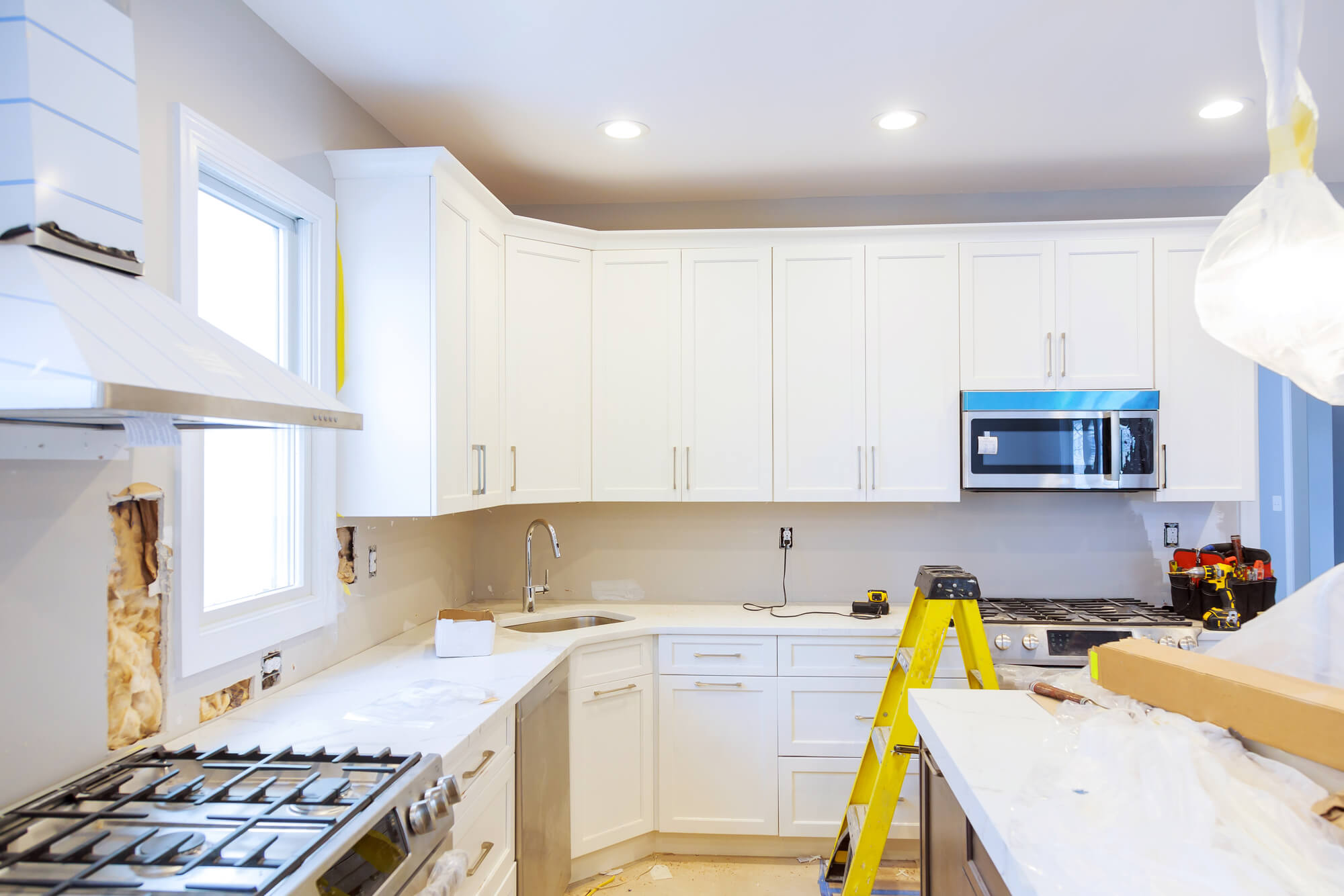
Painting is not always the answer. Replacement is the right call in these specific situations:
New Orleans homes have seen their share of leaky sinks, slow drips, post-storm flooding, and humidity damage. If the cabinet floor under the sink is soft, the back panel is delaminating, or you can smell mildew, paint will not fix that. Replace those boxes.
Builder-grade particle board cabinets from older renovations can swell, sag, and lose their door alignment. Painting a failing box is putting lipstick on a problem. New cabinets, even mid-range stock, solve both the look and the structural side.
Adding an island, removing a wall cabinet, opening a peninsula, or expanding pantry storage all require either custom modifications or new cabinetry. Painting cannot move walls or add boxes.
If you are replacing countertops, flooring, and appliances at the same time, the cost gap between painting and new cabinets becomes a smaller percentage of the total project. In that case, replacement may pencil out. Some homeowners pair this with new electrical and plumbing; see our breakdown of how to budget a painting project without breaking the bank for cost-control tips that apply to either path.
You do not have to pick all-paint or all-replacement.
A common NOLA approach is to:
Hybrid jobs land in the $4,500 to $9,000 range, meaningfully cheaper than full replacement, with most of the visual upgrade. This works especially well when the boxes are healthy but the doors are warped, dated, raised-panel styles, or have routed details you do not love.
Real estate data consistently shows that minor kitchen refreshes return more

 By Big Easy Painting
 Jan 14, 2026