
 Jul 22, 2026
 What to Consider When Choosing Paint for Cabinets and Vanities in New Orleans, LA
-
 By Admin
The right cabinet or vanity paint depends on the room's moisture exposure and...
Read More

Call Us Now 504-608-2155
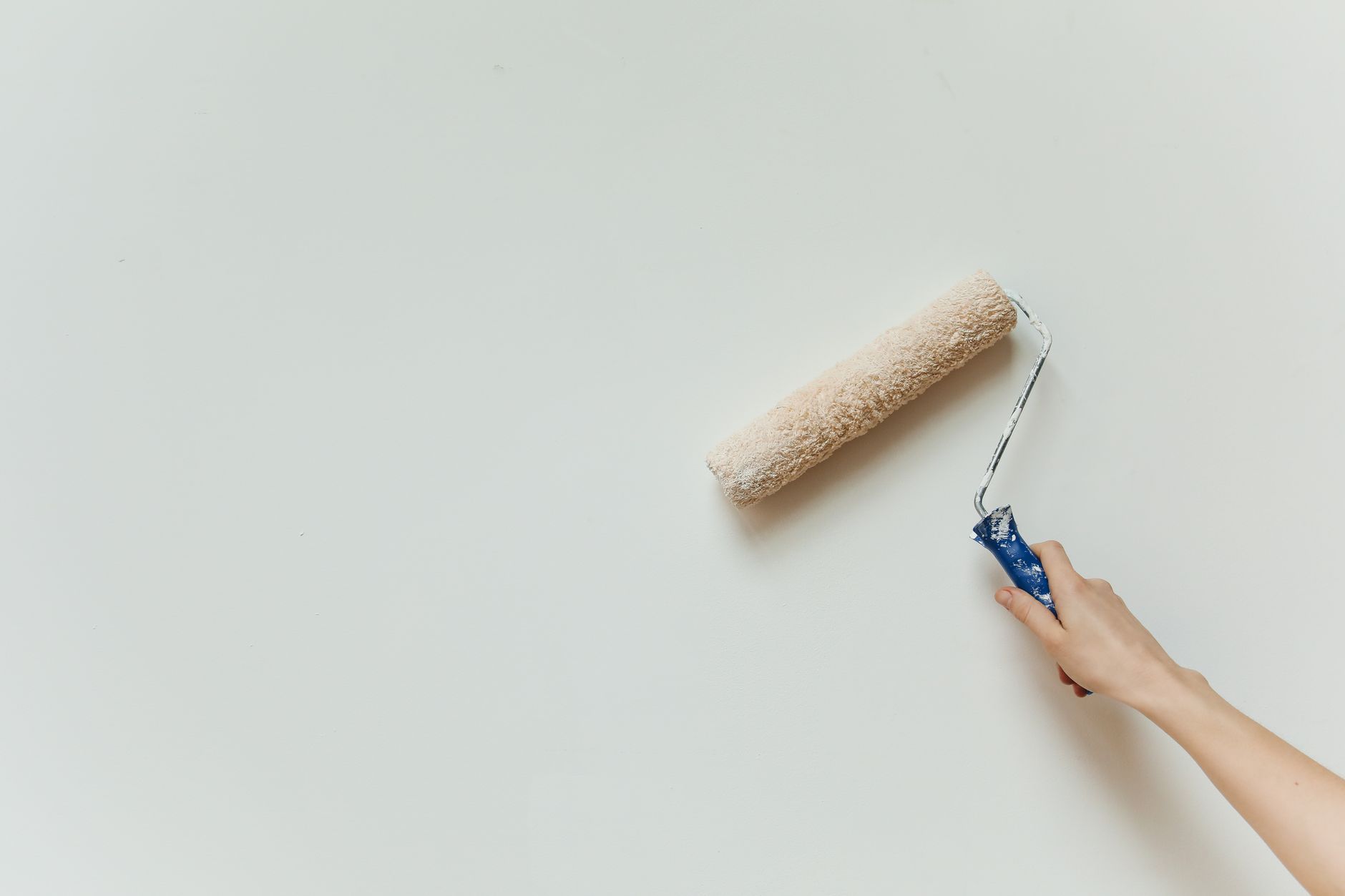
Switching an existing wall color is one of the fastest, most affordable ways to transform a New Orleans interior, often reshaping how a room feels and even shows for resale without touching a single wall, cabinet, or floor plan. A fresh color changes how humid Gulf Coast light reads indoors, corrects a room that feels dark or dated, and typically costs a fraction of what a remodel runs for a comparably dramatic result.
At Big Easy Painting, we watch homeowners spend months debating a full renovation before realizing a wall color change gets them most of the way there. One weekend of painting can turn a room from tired and dated into something that feels brand new.
We hear the same hesitation on nearly every color consultation: is a color swap really worth it if nothing else in the room is changing? In New Orleans, where humidity and shifting light change how a shade actually reads once it dries, the answer is almost always yes.
This guide breaks down why switching an existing wall color delivers renovation-level impact without renovation-level cost or mess. Contact us today to talk through which rooms in your home would benefit most from a fresh color change.
A wall color swap changes far more than what’s visible on the surface. It resets how a room feels the moment someone walks in.
Lighter, cooler tones bounce more natural light around a room, making a small shotgun-style bedroom or narrow hallway feel noticeably larger. Darker or warmer tones absorb light instead, pulling walls inward for a cozier feel.
Color changes the emotional register of a room before anyone consciously registers why. Soft greens and blues calm a space down, which works well in bedrooms and reading nooks. Switching from a flat, builder-grade white to a considered color is often the biggest mood shift possible in one weekend.
New Orleans light is different from the dry, direct sunlight most national color guides assume. Humidity softens and diffuses natural light, so a cool gray that looks neutral in a showroom can read blue or lavender on an actual wall here. Testing a color in the room’s real light matters more here than in drier regions.
Not every outdated room needs new cabinets or a different floor plan. Often the fastest path to a transformed interior is also the cheapest one.
A single-room color switch typically runs a few hundred dollars, while a kitchen or bathroom remodel routinely falls in the fifteen-thousand to fifty-thousand-dollar range. Whole-home renovations that touch layout or structure can climb past one hundred thousand dollars. The cost gap alone is often decisive.
Repainting a room typically takes one to two days from prep to final coat, depending on size and condition. A kitchen or bathroom remodel can take three to eight weeks, during which the space is unusable. A color switch lets a household keep living normally throughout.
Color is one of the few home updates that’s fully reversible if a homeowner changes their mind later. Testing a bolder direction carries none of the risk of removing cabinets or tearing out flooring. That flexibility makes a color switch a lower-risk way to experiment with a home’s direction.
According to Zillow’s 2026 Paint Color Analysis of more than 4,400 home buyers, specific interior colors measurably changed how much buyers were willing to offer for the same home. Chocolate brown in a bedroom added an estimated $2,277 compared to plain white, and pale blue in a living room added $1,723, while an all-over ochre yellow was tied to offers roughly $18,000 lower. A color switch is one of the few updates with documented resale upside.
Not every home across our service area needs a full color overhaul. A few specific signs point to a room that would benefit the most.
If a room has decent window coverage but still feels dim, the wall color is often working against the available light. Deep, saturated colors on all four walls can swallow natural light that should be bouncing around the space. A lighter, more reflective shade on the main walls often solves the problem.
Certain colors are tied so strongly to a specific era that they date a room the instant someone walks in. Heavy accent walls, specific greige tones, or once-trendy jewel tones from a prior decade often fall into this category. Updating to a more current, versatile shade resets that impression immediately.
Intense sun combined with high humidity causes some interior colors to fade or shift unevenly. A wall that once matched the rest of the room can develop a visibly different tone near a window after a few years. Uneven fading is a clear sign a color switch is overdue.
A color switch delivers the most impact when it’s planned around a room’s actual conditions, not chosen from a swatch alone.
We start by identifying which undertones, whether warm, cool, or neutral, will hold their tone in a specific room’s actual light. Our interior home painting team accounts for window direction and humidity before finalizing a shade. Getting this step right avoids a second repaint down the line.
A color sample should always be tested directly on the wall, viewed in both morning and evening light. Lighting shifts throughout the day change how a color reads. We recommend living with a sample for a full day before committing to a full room.
New Orleans humidity affects more than which color reads best; it also affects how well paint adheres and cures. Walls need to be cleaned, patched, and primed before a new color goes on, especially in older homes. Learn more about our team and painting process before scheduling your project.
A wall color switch is one of the rare home updates that pays back in look, feel, and resale value long before a bigger renovation ever would. Big Easy Painting has helped homeowners across the New Orleans area get that transformation right the first time.
If a room in your home feels dark, dated, or mismatched with everything else you’ve updated, a color change is worth exploring before a bigger project. Call us today to schedule a free estimate and find out which rooms would benefit most.
| Update Type | Typical Cost Range | Typical Timeline |
|---|---|---|
| Single-Room Color Switch | $300 – $800 | 1–2 days |
| Whole-Interior Repaint | $950 – $3,000 | 3–7 days |
| Kitchen or Bath Remodel | $15,000 – $50,000 | 3–8 weeks |
| Full Home Renovation | $100,000 – $350,000+ | Several months |
Ranges reflect general home-improvement industry cost data as of 2026; every project varies, so we recommend a free estimate.
Repainting can meaningfully increase a home’s perceived and appraised value when the color choice matches what today’s buyers respond to: Zillow’s 2026 buyer survey found colors like chocolate brown and pale blue added over $1,700 to estimated offers compared to plain white walls, while all-over ochre yellow subtracted more than $18,000.
A single room typically costs a few hundred dollars to repaint, a whole-interior repaint commonly runs nine hundred fifty to three thousand dollars, and a kitchen or bathroom remodel starts closer to fifteen thousand dollars and can climb toward fifty thousand, while a full home renovation runs well past one hundred thousand dollars.
Buyer surveys, including Zillow’s 2026 paint color analysis, point to sage green, soft pale blue, and warm neutral tones as the most consistently strong performers for resale across bedrooms, living rooms, and kitchens, while bold or unusual colors like an all-over ochre yellow tend to work against a sale by lowering buyer offers.
Most single rooms take about one to two days from prep and priming through the final coat, depending on the room’s size and the condition of the existing walls, though New Orleans humidity can add extra drying time between coats compared with drier climates, so a full-home repaint may stretch closer to a week.
Yes, in many cases a single color update removes the most obvious signal that a room is outdated, since dated wall color is often the first thing a fresh set of eyes notices before anything else, and pairing the new shade with updated trim or hardware can extend the effect even further without a larger remodel.
Yes, New Orleans humidity diffuses and softens natural light before it reaches interior walls, which can shift how a color’s undertone reads compared with the drier, more direct sunlight most national paint guides assume, so a color that looks neutral gray in a showroom can read distinctly blue or lavender once it’s actually on a wall here.
There’s no fixed schedule for updating interior wall color, but many homeowners start to notice a shade feels dated after roughly seven to ten years, and sooner than that if uneven fading, mismatched updated flooring or fixtures, or a lingering trend-driven accent wall are already visible signs the room is due for a change.
Painting first generally gives a homeowner more flexibility, since wall color is far cheaper and easier to test and change than furniture, and choosing new pieces around an already-committed wall color avoids the risk of an expensive sofa, rug, or curtain set clashing with a shade that gets updated later anyway.
 By Admin
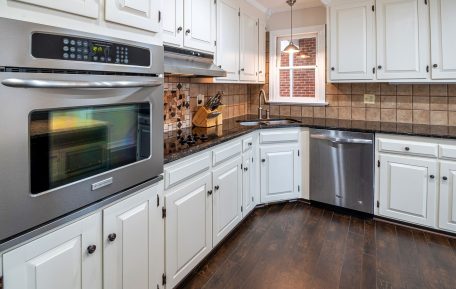
 The right cabinet or vanity paint depends on the room's moisture exposure and...
Read More
Are you looking to make the most out of your small living space? One simple a...
Read More
In the world of interior design, accent walls have emerged as a powerful ...
Read More
If you have priced an exterior repaint on a raised house and the number surp...
Read More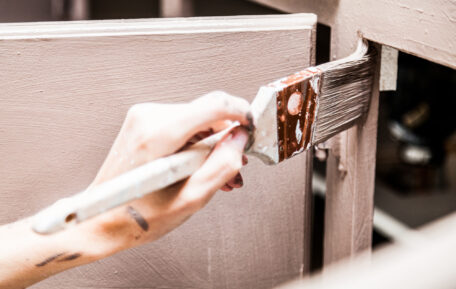
The cabinet painting process unfolds across 7 to 10 distinct stages—from labe...
Read More
Giving your home or business a fresh coat of paint can be a great way to upda...
Read More
New Orleans, LA
